
Four Steps to Read More in 2026
Make your 2026 a great year of reading.

Just about everyone I meet—from blue-collar workers to students to stay-at-home moms to business owners—tells me that they want to read more. With the New Year at hand, it’s as good a chance as any to start.
Reading resolutions don’t have to be much different from anything else. The same rules apply. But a few tailored tips might help you to get a head start.
Mark Your Progress
We like to see numbers go up. Find a way to take advantage of that. Make your progress visible and exciting.
The simplest way to do this is to log each book you read. It’s encouraging to see that number go up. Hopefully, it will climb up past 10, then 20, and maybe far beyond that. You might choose a program like Goodreads, a good old-fashioned notebook, or even dedicating a shelf to holding all your finished books. Just find a way to see your progress.
To be honest, I won’t set a goal for books or pages to read this year. In the past, I’ve found that these goals encourage bad habits. Choosing shorter books is one problem, but worse is how it encourages speed over comprehension.
This year, I’m trying for a different goal: I want half-an-hour of reading a day. That might mean forty pages or four pages. I’m focusing on the process over the outcome.
But I know that I still love to see numbers go up. Here’s my solution: I’m going to take a calendar and mark down each day where I hit half an hour. Hopefully, in the end, I’ll look back at a long line of check marks.
I don’t expect to hit this goal perfectly—some days will be busy, and some days I’ll be lazy. But if you expect perfection, you will be let down. Set some ambitious goals. Accept it when you fall short.
Want to learn more this year? Subscribe for free to get new articles every week, or upgrade to paid to support us and get a free copy of our book sent to you.
If You’re Stuck On A Book, Put It Down
You’re not going to read much if it seems like a chore. Some books will be nothing but a pleasure all the way through. Some will drag. Even if they’re good, they might demand effort that you struggle to muster.
When you run into one of those difficult books, learn to change course. Don’t get stuck on the same few pages for a week.
This doesn’t mean giving up entirely, but this should mean giving yourself some easy reading alongside any ambitious picks. If you’re trying to finish a long, dry piece of history, keep a short novel open alongside it. Taken your time with the hard books. Go to the quicker ones when you lose focus.
Stick To A Few Books At A Time
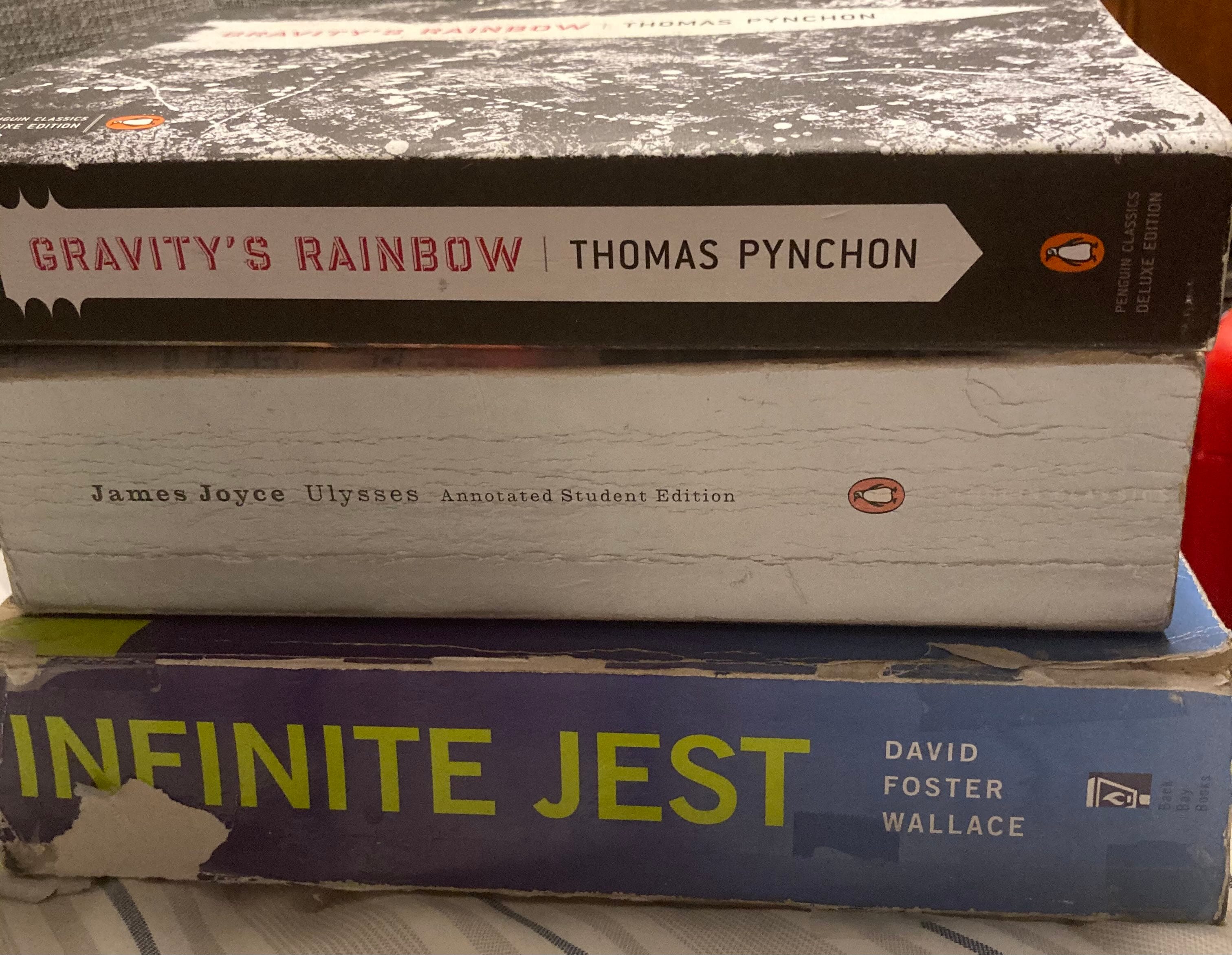
Keeping options is important, but try to keep your focus to just a few books at a time. If you have a dozen open, you might go weeks between chapters. Sometimes, you need to push through.
I try to keep myself to one piece of philosophy, one novel, and one or two history books at any given time. I don’t always stick to that, though having some sort of system has helped.
Your exact number and ratio will be up to you. Here’s my recommendation: Pick one long book that will take you a few weeks to get through, one quick one that you can read easily, and one that’s somewhere in the middle.
Take Advantage of Small Chunks
The great enemy of reading more is always time. Work, errands, and other obligations eat up so much of your day. It’s hard to find a good moment to sit down and focus for fifteen minutes or so.
Here’s my advice: Stop looking for fifteen minutes. Look for five or ten instead. Read while you have food in the oven. Read while you’re trying to go to sleep. Read while you’re stuck in line somewhere.
We have perfect bite-sized bits of entertainment available through our phones at all time. Books don’t fit so perfectly, but perfection shouldn’t be your expectation.
Let those little chunks add up over the day. Just find the time for five pages with your coffee, five pages at lunch, five pages once you’ve gotten home, and five pages before bed. That’s just about 150 pages a week. That’s more than enough to finish two or three books a month without finding even fifteen straight minutes a day to read.
If you want to know my reading goals for the year, here are the big ones:
Read half an hour or more every day.
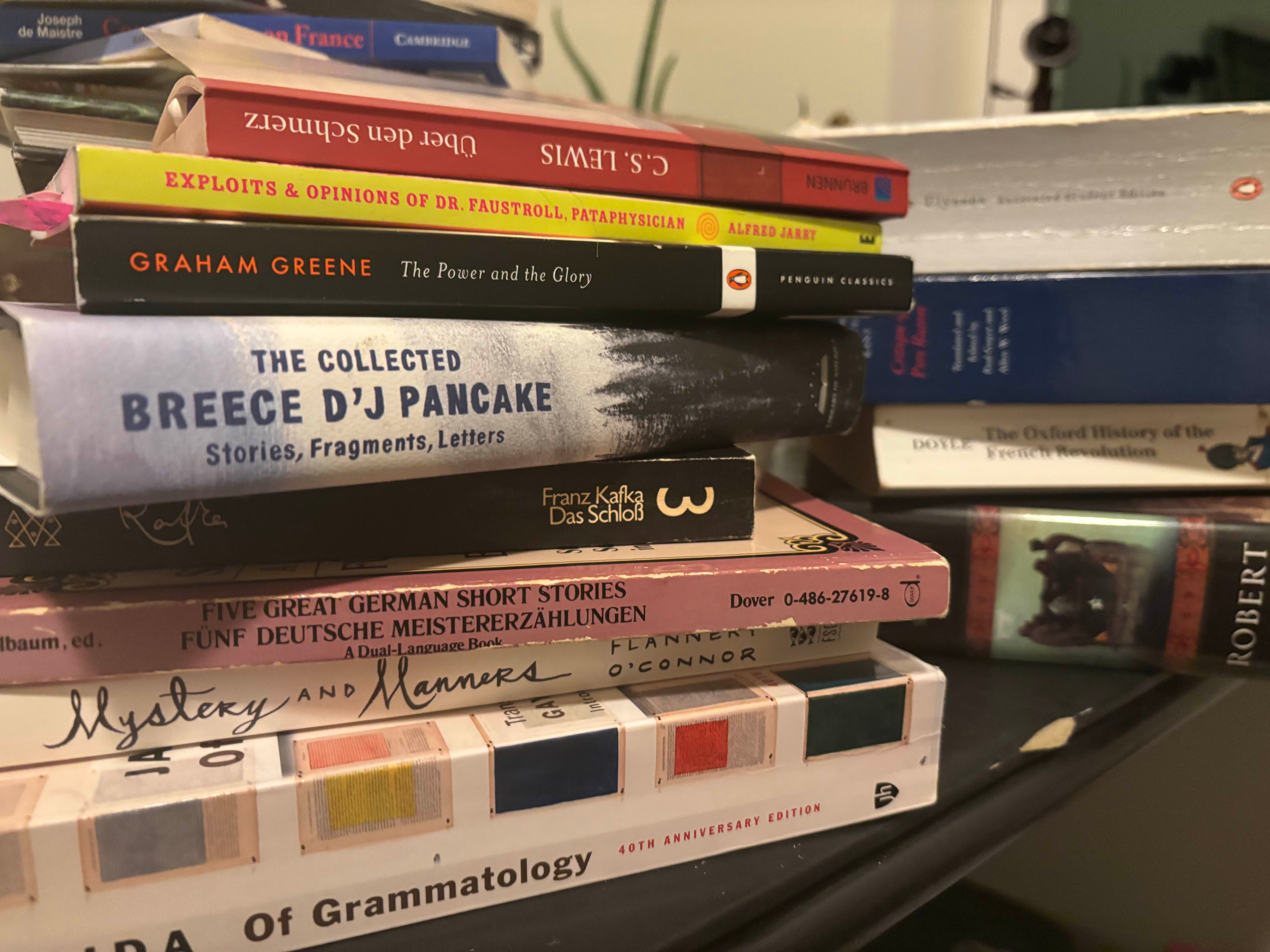
Finish Immanuel Kant’s Critique of Pure Reason, Jacques Derrida’s Of Grammatology, and re-read James Joyce’s Ulysses. (Daniel Moran will be leading a group on the book—I think it’ll be a great opportunity for any first-time readers or Joyce lovers.)
Finish at least three books in German.
I don’t expect perfection for my goals, though I’ve done my best to avoid too much ambition. Here’s to a strong year in 2026, and here’s to accepting whatever imperfection we can get.
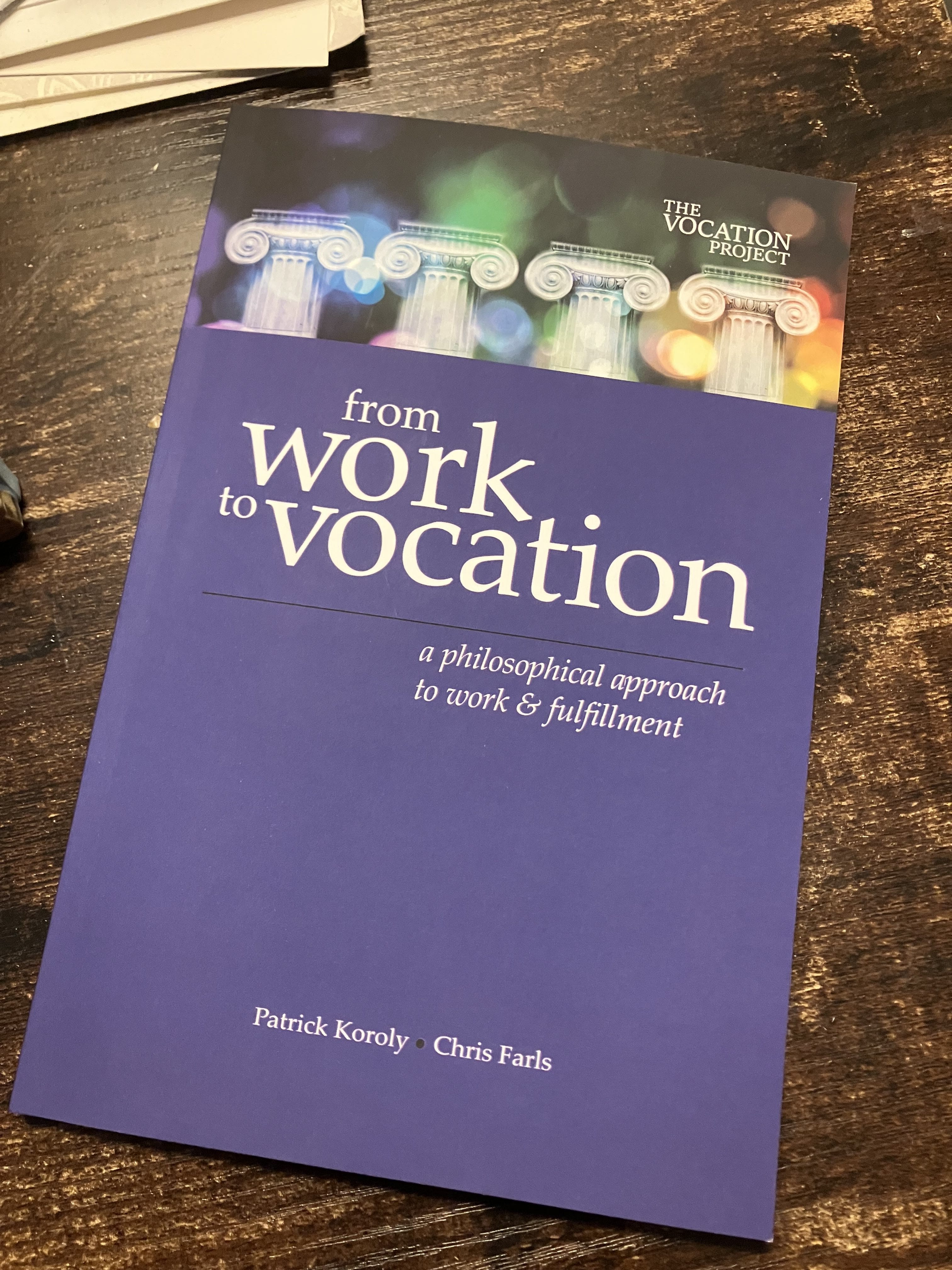
(And if you want a nice, easy read for 2026, why not check out our book From Work to Vocation? It’s a book on the philosophy of work and fulfillment rooted in practical experience and philosophical ideas, all made accessible for any reader.)
Pro tip: Ditch the car for public transport. You’ll finish all 7 volumes of « À la recherche du temps perdu » within the week.
My favorite part of this is when you tell people to put down a book that they aren’t enjoying. So many people think that if they begin a book, not finishing it is some kind of moral failure. I always tell people that there is a finite number of books they’ll get to read in their lives. That number is written down somewhere and locked in the back of a cosmic filing cabinet. Is it worth using one of those numbers on that book? If not, move on.
This isn’t to say that you should’ve bail on books willy-nilly. Very often, the struggle is completely worth it. But if you don’t look forward to opening it and it feels like homework, that might be a sign.