
An Executioner's Vocation
Recognizing calling in renaissance Germany

Recently, I read a somewhat unusual book: The Faithful Executioner by Joel F. Harrington, a history centered on Nuremburg’s executioner in the late 16th century. The executioner, Frantz Schmidt, kept a diary throughout his career, detailing all of the punishments he carried out, the criminals he executed, their crimes and their victims, and offering some small insight into his own perspective on his life in renaissance Germany.
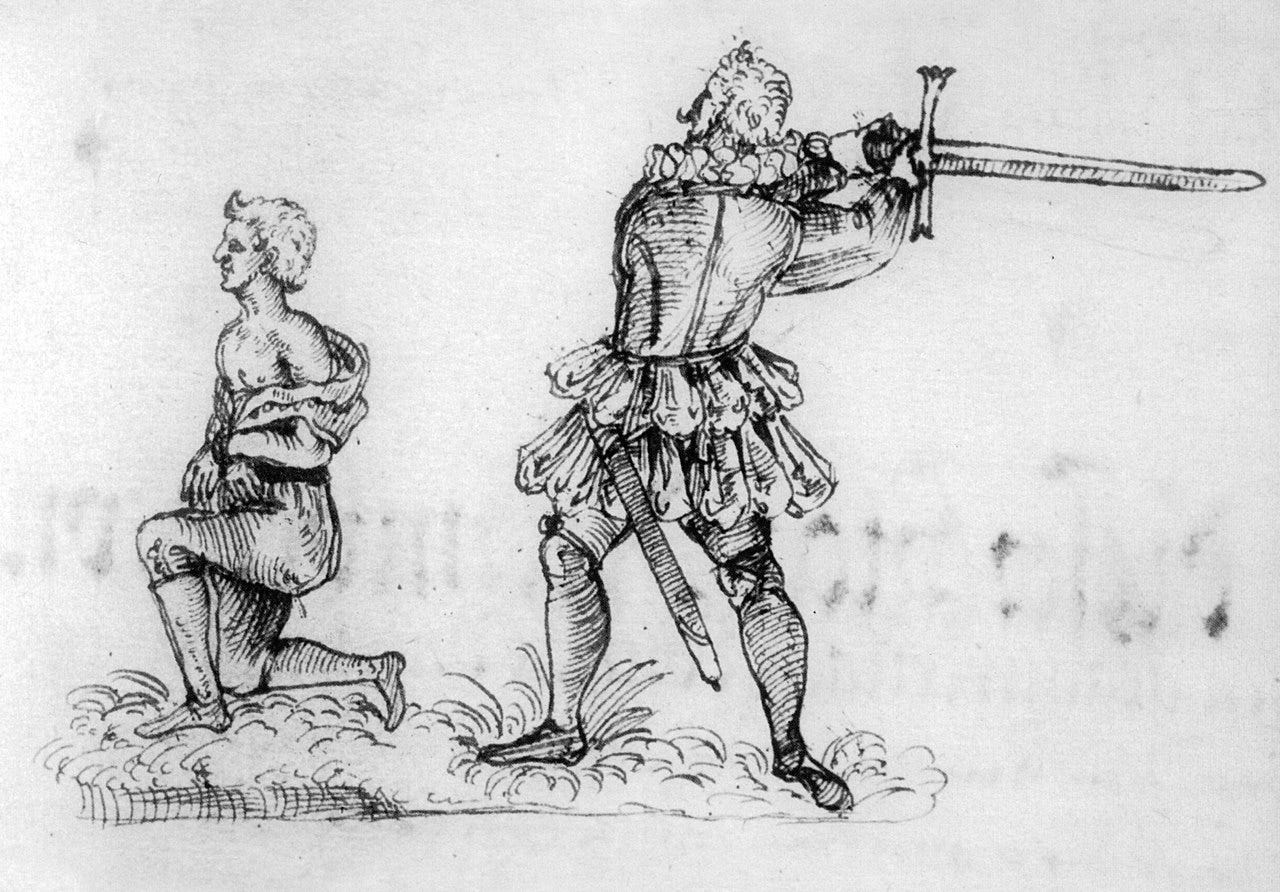
Much of this world is alien to us. Frantz was forced to live nearly in isolation after his father’s honorable status was removed—he had no choice but to follow in his footsteps as an executioner. He carried out brutal punishments, things that seem absolutely inhumane from a modern perspective. A brief look at his world is absolutely shocking.
But beneath it all, I saw something recognizable: strangely enough, there seemed to be a story of vocation hidden in Frantz’s life.
Frantz did not want to be an executioner—nor did his father. His father was forced to serve as an executioner (ironically, the local dictator threatened him with execution). Though the executioner was crucial to a town then, it was still a reviled and dishonorable position. After Frantz’s father completed one execution, there was no turning back: he had lost his old honorable life entirely.
Frantz inherited both his father’s dishonor and profession. He was trained from his youth to take over as a city executioner, taking on the tasks that nobody else was willing to accept. Both he and his father hoped to do the impossible and win back their honor, leaving a strong legacy for their family.
Though Frantz did not want the life of an executioner, he did his best to work dutifully and reliably in the decades to come. By the moral standards of his time, the beheadings and hangings he regularly carried out were simply necessary—there was no other option.
But all the while, Frantz carried out a very different sort of work away from executions: medicine. Ironically, the most common second profession for an executioner of the time was healing. Since they had so much familiarity with the human body and all sorts of injuries, they were skilled enough to help with healing broken bones, cuts, and all sorts of other wounds common at the time.
Frantz was denied the status of a true healer: while the doctors and surgeons of the time maintained their honor, Frantz was forced to remain a second-class citizen, kept away from normal society.
But all the while, he maintained the belief that this was what he was meant to do. While other executioners trained their children to inherit their duties, Frantz taught his sons all that he knew about medicine and surgery. He traveled, took in patients, and always worked to maintain his reputation as an honest man, even if he could not escape his status. Throughout his life, he claimed to have healed 15,000 people, from criminals to nobles.
A few years after his retirement from executions, Frantz wrote a petition to the Holy Roman Emperor (then the highest ruler among the German states) requesting that his family’s honorable name be restored. While he appealed to his long and faithful service as Nuremburg’s executioner, he also made it clear that he did not see himself as an executioner first. More than an executioner or a torturer or an interrogator, Frantz saw himself as a healer. This was his true life’s work and what he hoped to keep as his legacy—this was the real calling that he hoped to live out.
Frantz’s request was granted: after two generations of family shame, he was finally recognized as a member of honorable society. While his sons were still denied entry to medical school as sons of an executioner, they no longer had to take on this dishonorable profession if they hoped to continue healing.
There might be a moral to be taken from this story—something simple about perseverance, staying true to yourself, or ignoring what others think of you—but more than any moral, I simply find a feeling of companionship here. In the life of Meister Frantz, I found something so identifiable in a world that is so different in many ways.
Sometimes, we might reduce the search for meaningful work to a modern problem. We think of it as something that comes from being cooped up in offices or stuck in bureaucratic spiderwebs. But in the story of Frantz Schmidt, we see something from the past that still resonates with this modern pursuit: just like many of us, we see a man who felt a distinct calling, one that he was kept from for most of his life.
The need for meaningful work isn’t something particular to our time—though perhaps it’s more widespread now—but rather something that’s simply part of our nature. Whether in renaissance Germany or modern America, the pursuit of vocation is central to our lives.
Our pursuit of meaningful work is very different from Frantz’s, certainly for the better: we aren’t forced to inherit family status, commanded to inherit a profession, or kept from pursuing other choices by a strict system of honor and dishonor. Still, within this story of duty, honor, and vocation, I found something that seemed recognizable today. This story of vocation that each of us is following in life is not simply something individual or limited to a certain set of circumstances: it’s something shared with all of human history.