
Creativity Is A Need. Can We Fulfill It?
Creativity is a human need. Where can we find it?

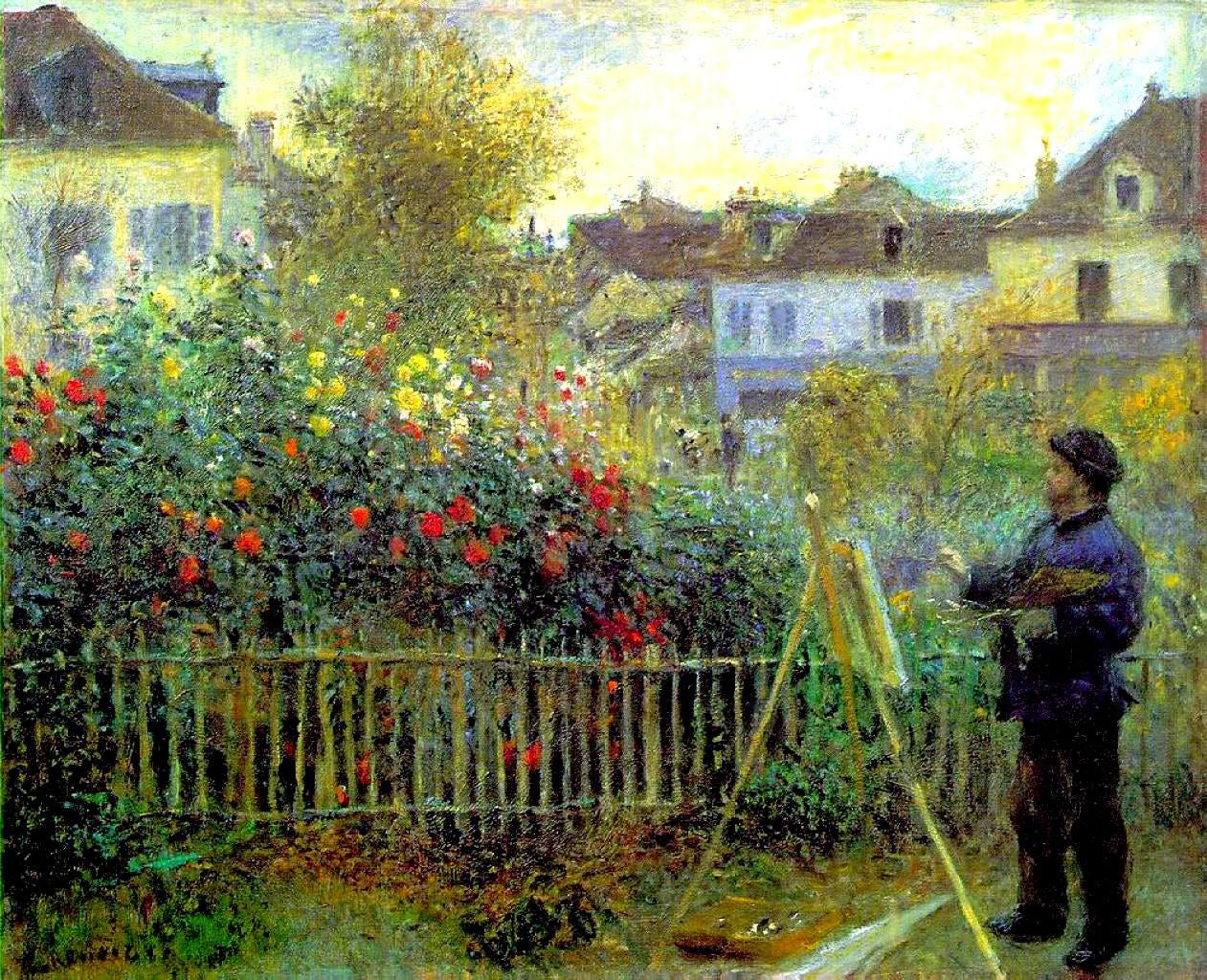
It’s no coincidence that so many Dream Jobs are essentially creative. People want to be musicians, inventors, and actors because they want to explore new problems, not just copy solutions to old ones. At its most basic, the desire for creativity is the desire to take on these unsolved—and often unsolvable—problems.
Even jobs that aren’t traditionally “creative” might fit this same basic mold: People who want to get into politics or even the trades probably have this same desire to deal with difficult problems, problems that demand something of you.
Without a doubt, the lifestyles surrounding these jobs matter too: A lot of wannabe actors and musicians are just in it for the parties. But we see so many people willing to sacrifice comfort and certainty for the opportunity to explore something new. The starving artist is such a powerful image for a reason: We admire the people willing to sacrifice everything for the sake of self-expression.
We might think of creativity as a luxury. Not all of us can be starving artists and not all of us have the skills to make it a career. But in these dream jobs and sacrifices, I think we see something more significant: Creativity is a need.
I want to talk about why we need this so badly—and, just as importantly, where we can meet this need. If we can’t all find it in work, where can we find daily creativity?
Keep scrolling to read this article for free. If you want more like this, subscribe for free articles every week—or upgrade to paid to help support us and get a copy of our book.
The Human Need for Creativity
Though it’s easy to put off to the side, creativity is a genuine need. When we ignore it, it will slowly eat away at us the same as any forgotten human necessity.
Why is this? Well, it’s because creativity is one of the things that makes humans human. Our capacity for reason and imagination isn’t just some fun piece of trivia. It’s one of the basic facts of our being.
It’s no surprise that we look for creativity at work. Work, broadly speaking, is the link between this power of imagination and the real world. We might define creativity as the combination of imagination and labor. It’s only reasonable to want work that is fully human.
If you’ve been reading The Vocation Project for long enough (or if you’ve read our book) you know that we’ve described work as bringing ideas to reality. In a broad sense, all good work is creative: It links our power to reason and imagine with our ability to actualize these thoughts through our efforts. Whether you’re a sculptor or a landscaper or an accountant, you are using these same powers to deal with difficult problems. A really great problem demands your full humanity.
Creative work becomes a form of self-expression and, just as importantly, self-recognition. Looking at something you’ve made lets you say, “Look, I exist—this is evidence that I am human!” That might seem insufficient—and, certainly, it’s not enough on its own—but we need those little reminders of our own humanity.

Now, it’s clear that many of us lack this at work. So few jobs let us really engage with these life-spanning problems: Plenty of us are just in the business of repeating answers rather than finding them. This, on its own, isn’t the end of the world. Sure, we’d prefer this sense of self-expression in our work, but there are still plenty of dignified jobs that don’t offer the full spectrum of self-expression.
But it’s hard to feel like our creativity is meaningful when it’s simply reserved to our free time. When we lack that legitimacy in our work—when it feels like “just” a hobby—it’s hard to feel that same sense of self-expression and self-recognition. We often feel like our work isn’t good enough to count, whatever counting means. Simply creating something might not feel like enough.
Just doing things doesn’t always feel like enough. We want to be heard.
For as much as people claim to make art for themselves, the fact of the matter is that creativity is a form of communication. We draw, write, and create because we want to put our ideas out into the world.
Here’s where things start to break down: So often, people think they need a “real” audience to legitimize their work—and, by extension, legitimize their claim to artistry. If your poetry isn’t in a magazine, you can’t be a poet. If you aren’t selling paintings, you can’t be a painter. It’s not enough to simply do these things: You need to do them and see other people acknowledge them.


Not all of us can access this audience. For one, the audience simply isn’t large enough to accommodate every poet, painter, singer, and so on in the world. For another, we should humbly admit that plenty of us aren’t masters of the craft. I know I’m not a good enough guitarist to play on an album or a live show. Limited skills get limited recognition, and I don’t think it’s helping anyone if you lie to yourself about your abilities.
But I think it’s worth asking how we can reclaim creativity on the small scale. In some way, we can still find our own audiences and our own form of recognition.
My Practice of Poetry
It’s a common observation—sometimes humorous, sometimes serious—that far more people write poetry than read it. I took this to heart and decided to avoid writing poetry until I felt like a skilled reader. Sure, maybe I’d jot down a few lines when I was bored in class, but they were essentially for myself. Practice or pastime, whatever you want to call it.
But in the past year or two, I’ve broken my promise: I’ve started writing poems and submitting them all over the place. Left and right, all the time—every few weeks. And no, I haven’t become a great reader of poetry yet. (Though I have found myself reading much more poetry lately—Les Murray and Sam Hazo especially.)
But I’ve chosen my audience very deliberately: I submit only to the most prestigious of my friends and family and only for the most important competitions, such as birthdays and holidays. I’ve become quite the perfectionist.
Jokes aside, in the era of constant consumption and huge social media audiences, it’s easy to live like everything we do is meant to be broadcast. Your point of comparison will be the poets, guitarists, and artists you see constantly day in and day out. You’re fighting for that same tremendous audience: You’re writing to them, playing for them, and so on.
But I’ve found that there’s something fruitful in getting away from that huge audience and those high standards to do something for the small, human audience right in front of me. It’s easy to forget where your feet are. It takes some effort to get back in place.
If your standards for practicing creativity are making a career—one that gives you a definitive claim to artistry—and earning the recognition of huge audiences, then I can’t offer you any guarantees. Nobody can.
But if you find your need for creativity unfulfilled, it might be time to look for an audience who you can speak to face to face. Even if it’s small, you’ll find something substantial in working for the sake of a real human, one right in front of your eyes.